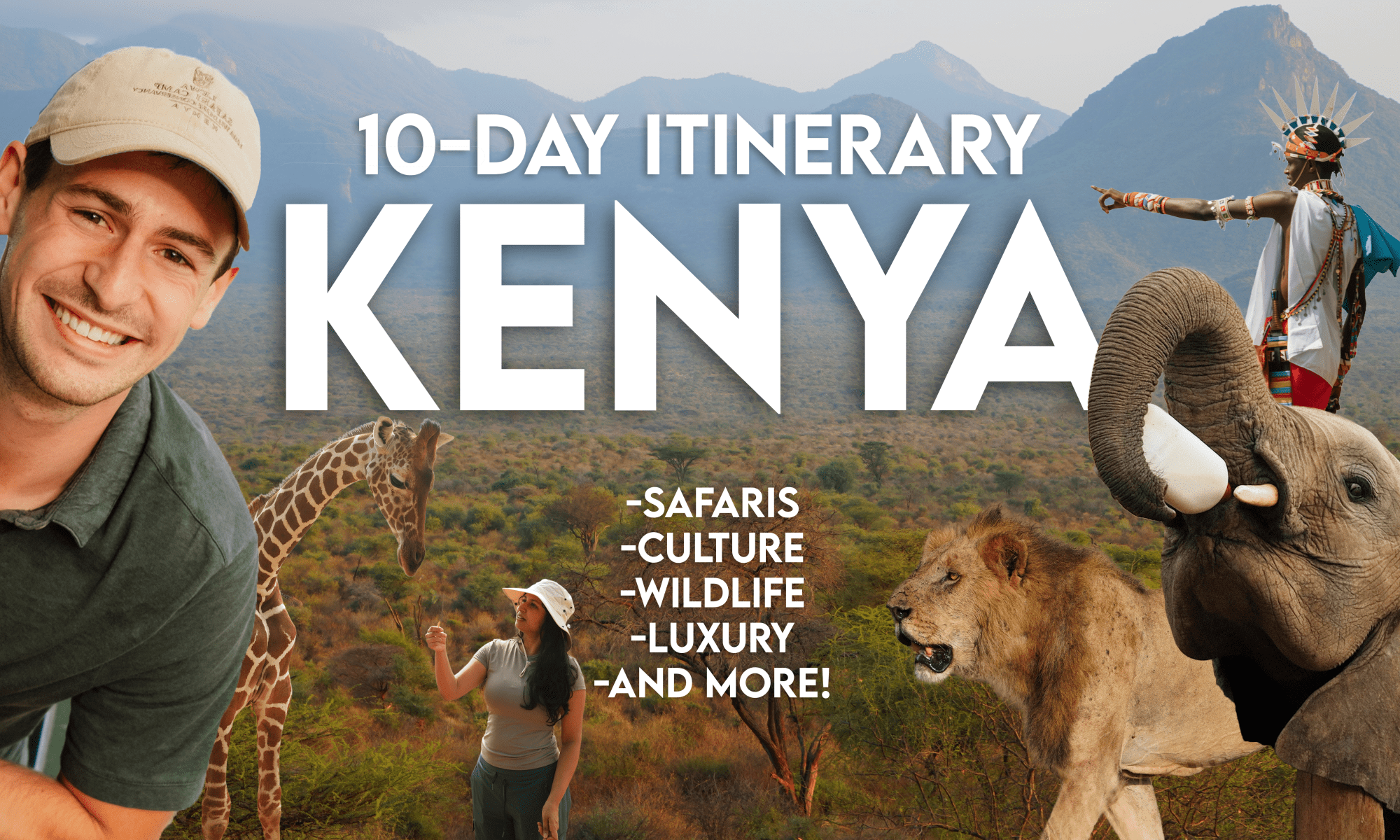
Are you planning a trip to Kenya? Trying to decide where to go and how to structure your safari? Below is a detailed breakdown of how we spent 10 days in northern and central Kenya, traveling through some of the country’s most remote, wildlife-rich, and conservation-focused destinations.
This itinerary showcases a side of Kenya that feels wild, uncrowded, and deeply connected to local communities. Northern/Central Kenya safaris are about more than just game drives. They combine rare wildlife encounters, dramatic landscapes, meaningful conservation projects, and immersive cultural experiences.
The video above is the best way to see what this journey actually looks like on the ground. Below, you will find a written, day-by-day breakdown of this itinerary that complements this video.
If you’re interested in arranging a similar journey, you can inquire directly through our safari planning team here:
Safari Inquiry Form – Plan Your Kenya Safari
Day 1: Arrive in Nairobi
We arrived in Nairobi and settled in after our international flight. We stayed at the Tamarind Tree Hotel near Wilson Airport to prepare for a departure the following morning. This day was intentionally light for us, allowing time to rest, adjust to the time zone, and get ready for the safari adventure ahead.
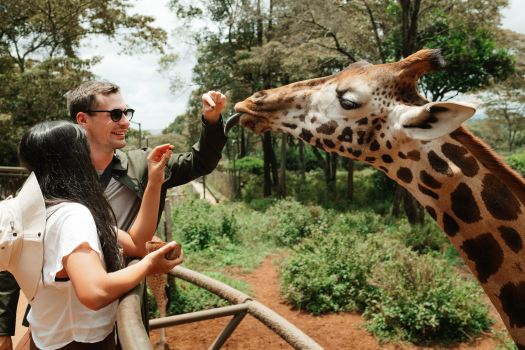
Because we had a little time and energy, we stopped at the iconic Giraffe Centre and ate a delicious meal at Cultiva, one of my favorite lunch spots in the Nairobi.
Day 2: Fly from Wilson Airport to Samburu and Transfer to Namunyak Conservancy
Our morning began with a scenic flight from Wilson Airport to Samburu in northern Kenya. Flying north offered a dramatic aerial view of changing landscapes as fertile highlands gave way to arid plains, river systems, and rugged mountains.
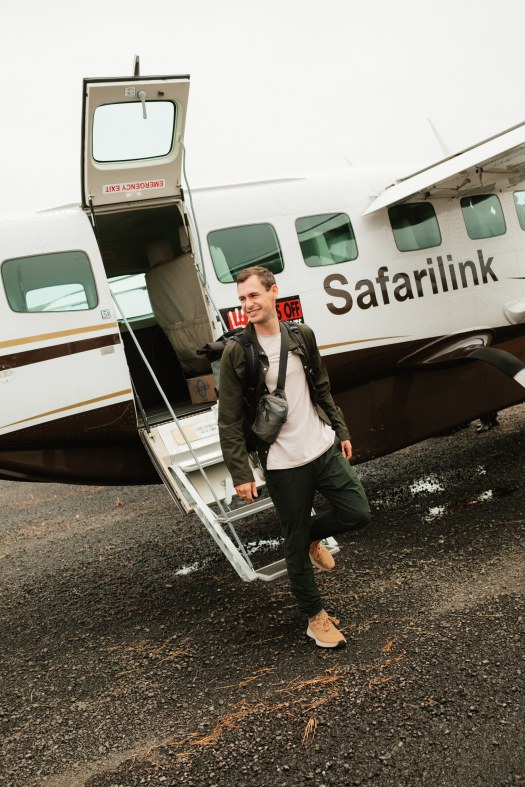
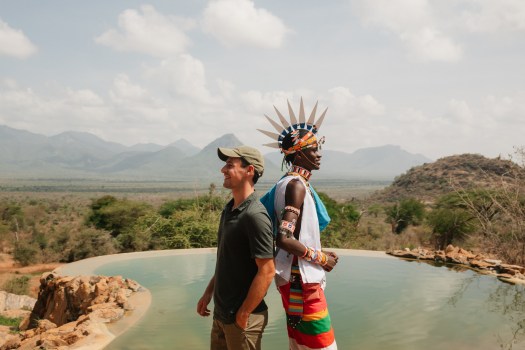
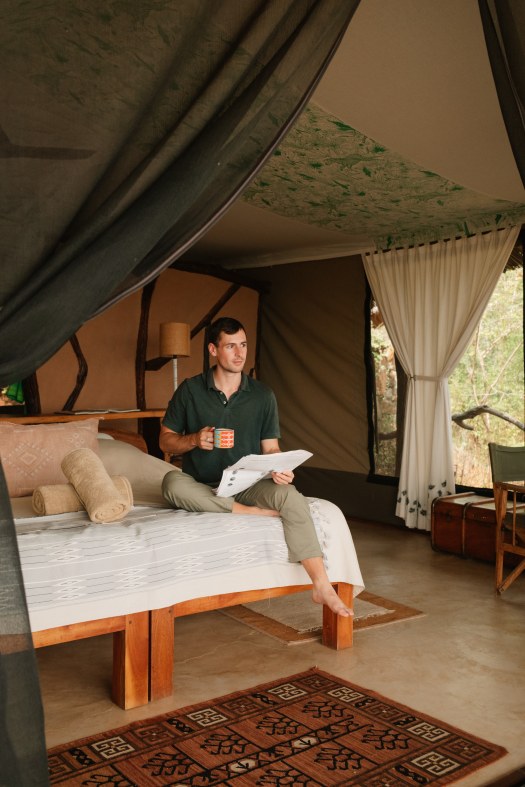
Upon landing, we drove into Namunyak Wildlife Conservancy and checked into Sarara Camp, one of the most remote and conservation-focused safari camps in Kenya. Namunyak is a community-owned conservancy managed by the Samburu people and protects a vast, untouched wilderness that serves as an important wildlife corridor, especially for elephants.
Sarara Camp blends seamlessly into the landscape and offered an experience that felt both wild and refined, with sweeping views over the conservancy.
Day 3 and Day 4: Full Days at Sarara Camp and Namunyak Conservancy
We spent two full days immersed in the landscapes and experiences of Namunyak Conservancy. This region is known for its dramatic mountain backdrops, open plains, and deep connection between conservation and the local Samburu community.
Activities at Sarara went far beyond traditional game drives and were often guided by what was happening in the conservancy at the time of our visit. Wildlife encounters were unhurried and personal, and the sense of space and solitude was unmatched.
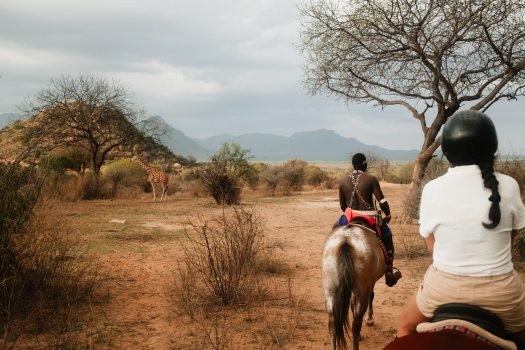
Highlights during these days included visiting Reteti Elephant Sanctuary, horseback riding through the conservancy, guided walks, cultural interactions with the Samburu people, and relaxed moments enjoying the views from camp.
Experiences at Namunyak Conservancy and Sarara Camp
Namunyak Conservancy represents one of the most successful examples of community-led conservation in Kenya. The Samburu people own and manage the land, ensuring that tourism directly supports conservation, education, healthcare, and sustainable livelihoods.
Sarara Camp plays a key role in supporting conservation initiatives while offering guests access to vast wilderness areas that felt completely untouched during our stay. Wildlife sightings often included elephants, predators, and a wide variety of plains game, all set against a striking mountainous landscape.
Reteti Elephant Sanctuary
One of the most powerful experiences in northern Kenya for us was visiting Reteti Elephant Sanctuary, located within Namunyak Conservancy. Reteti is the first community-owned and community-run elephant orphanage in Africa and works closely with Sarara and the Samburu people.
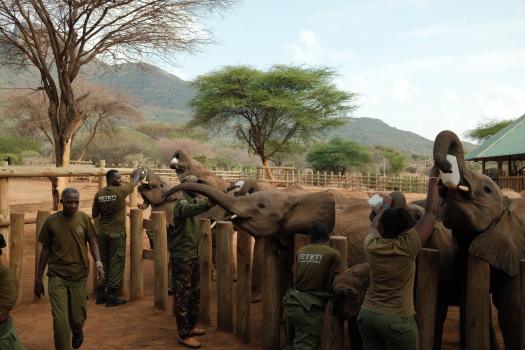
The sanctuary rescues and rehabilitates orphaned elephants that have lost their mothers due to drought, human-wildlife conflict, or other natural causes. The goal is always to return the elephants to the wild once they are strong enough. Samburu caretakers, many of whom grew up herding livestock in this landscape, play a central role in caring for the elephants and guiding their rehabilitation.
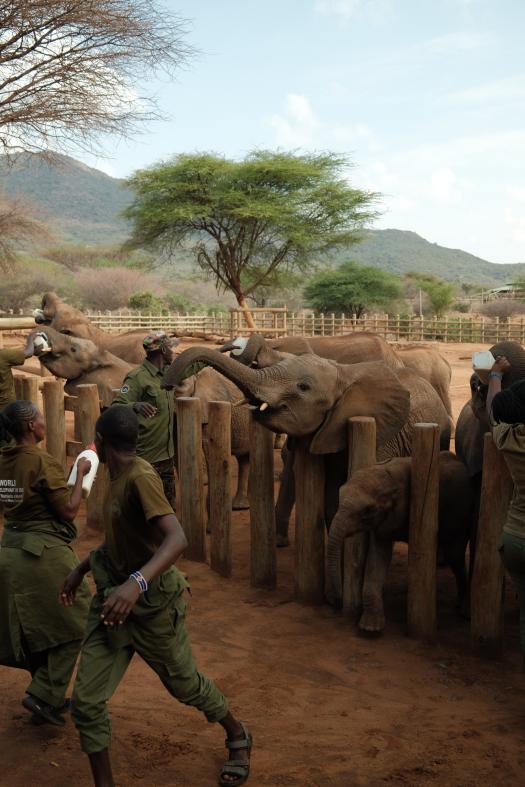
A visit to Reteti offered us a rare look at hands-on conservation and highlighted how protecting wildlife can directly benefit local communities.
Horseback Riding in Northern Kenya
Horseback riding at Sarara was one of the most unique ways for us to experience the landscape. Riding through these magical valleys allowed for a quiet, immersive connection with wildlife and scenery that was very different from being in a vehicle.
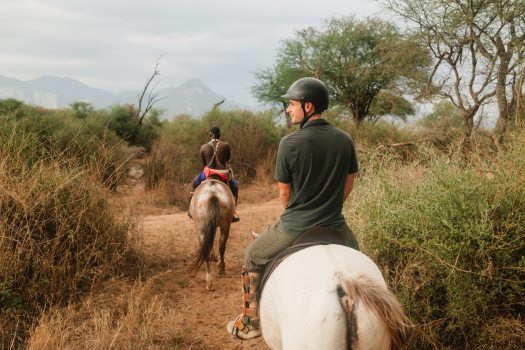
These rides were guided by experienced teams and were suitable for novice to confident riders. It was an unforgettable way to explore the conservancy and capture a sense of freedom that defines northern Kenya.
Samburu Cultural Experiences
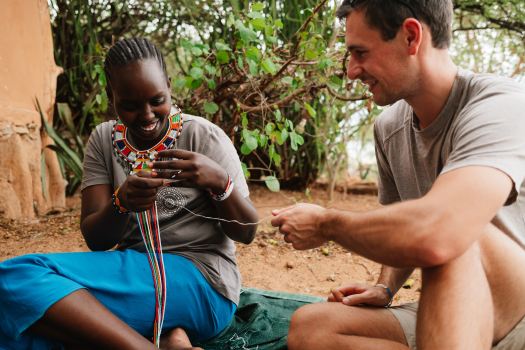
Cultural experiences were an important part of our visit to northern Kenya. Time spent with the Samburu people provided us with insight into traditional pastoralist life, customs, dress, and the close relationship between livestock, land, and wildlife.
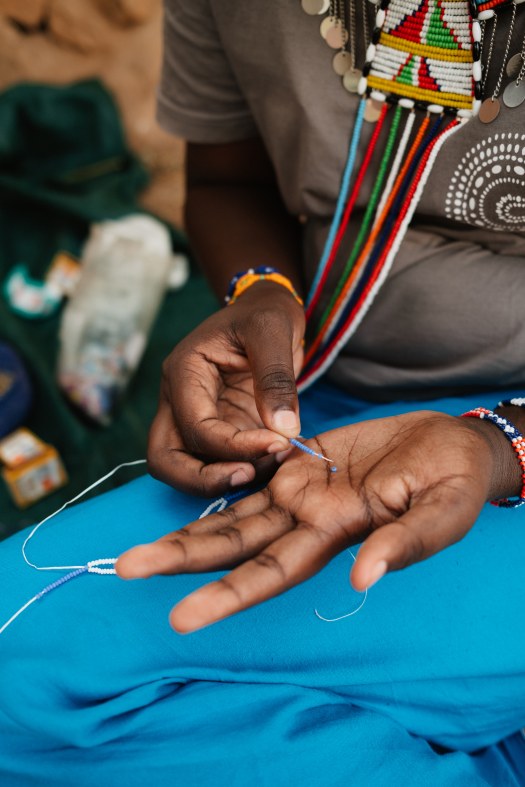
These interactions were respectful and community-led, offering meaningful context to the conservation efforts taking place across the region.
Day 5: Transfer to Samburu National Reserve
We then traveled from Namunyak Conservancy to Samburu National Reserve, one of Kenya’s most iconic northern safari destinations. After arriving, we checked into Soroi Larsens Camp, a luxury camp set along the Ewaso Nyiro River.
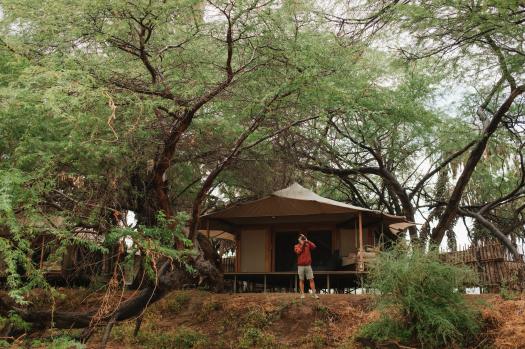
Samburu National Reserve is known for its rugged beauty and unique wildlife, including the Samburu Special Five. The river attracts elephants, big cats, and a wide variety of birdlife, making this area excellent for photography.
Our time in Samburu National Reserve was short (only one night). I’d normally advise guests to spend at least 2 nights in this unique ecosystem. It remains one of my favorite safari destinations in all of Africa.
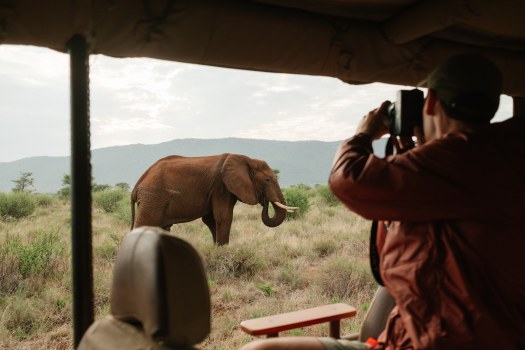
Day 6: Morning Safari in Samburu and Transfer to Lewa
We enjoyed a morning game drive in Samburu, which was especially rewarding for predator sightings. We had some of most memorable sightings on this game drive: including a pride of lions coming right towards us, and a female leopard with two playful cubs.
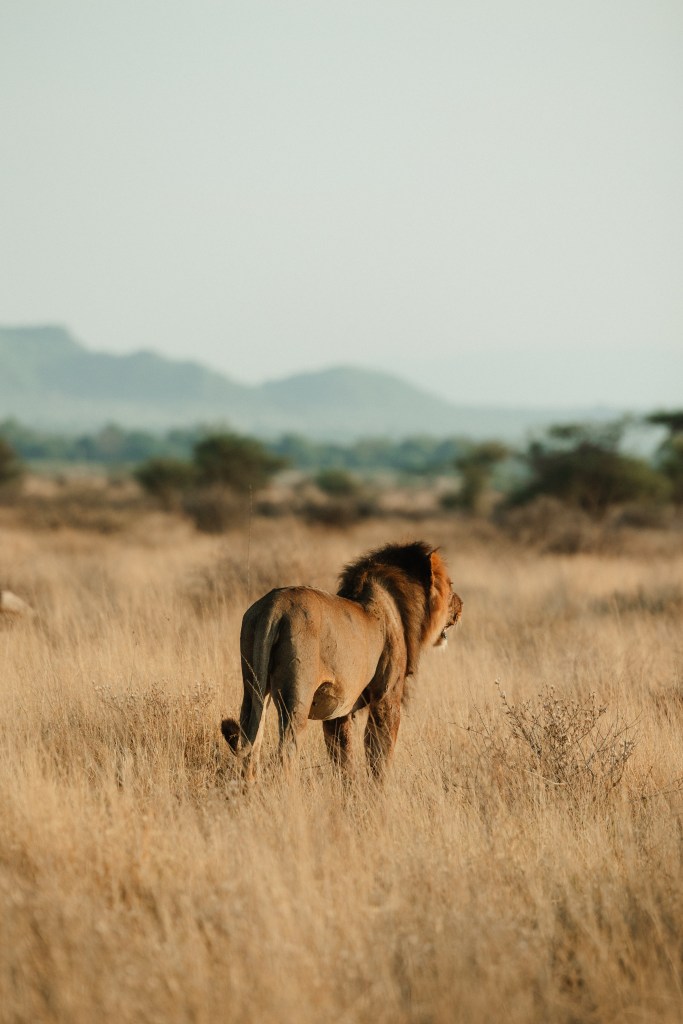
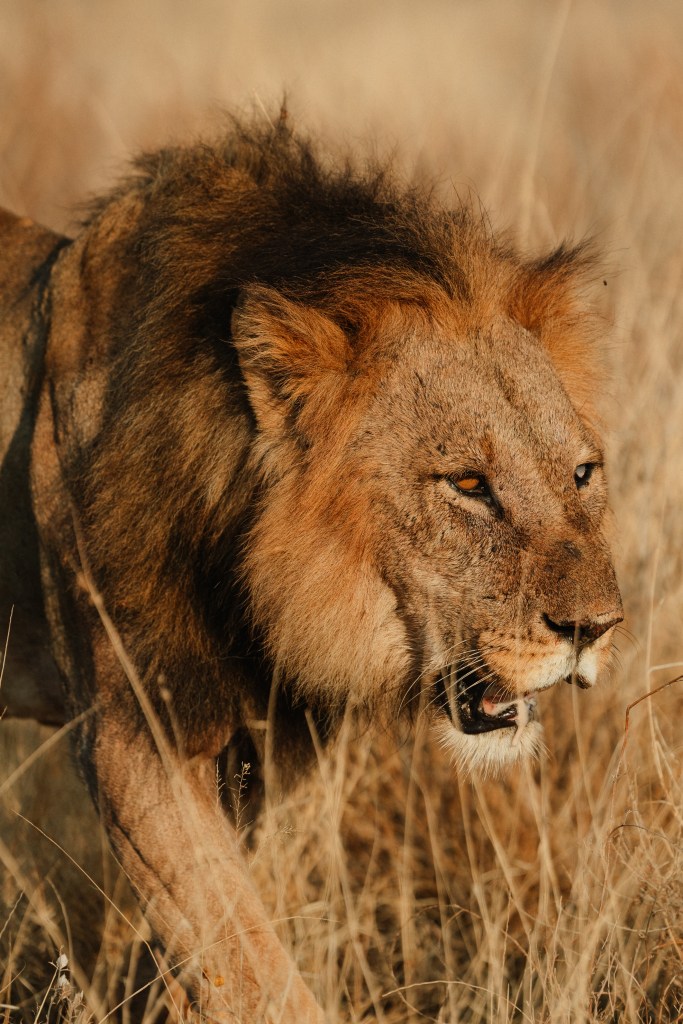
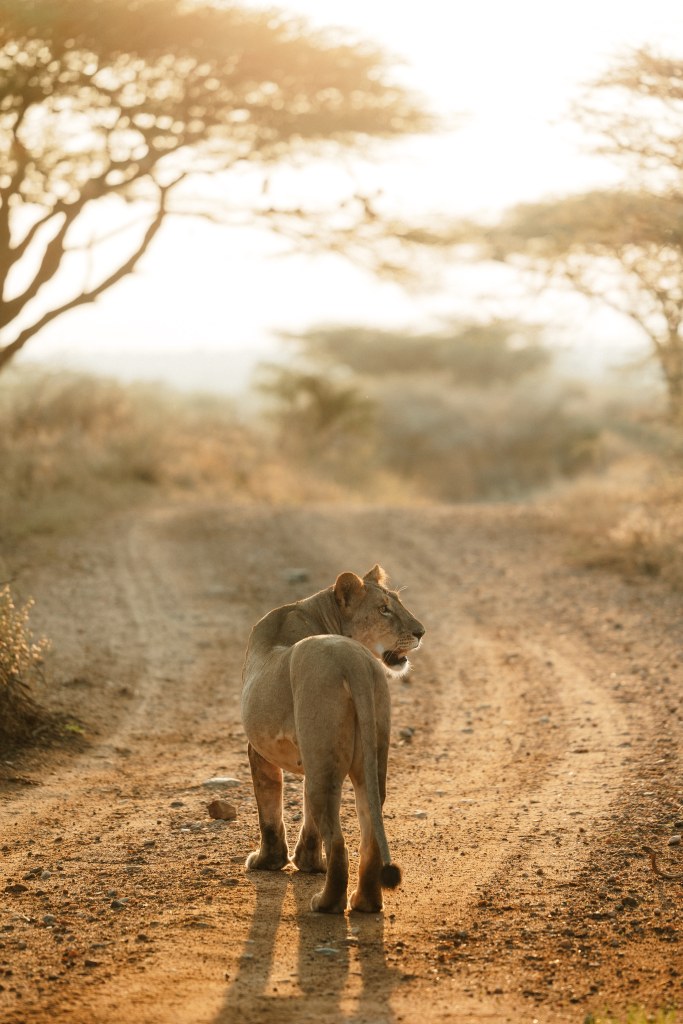
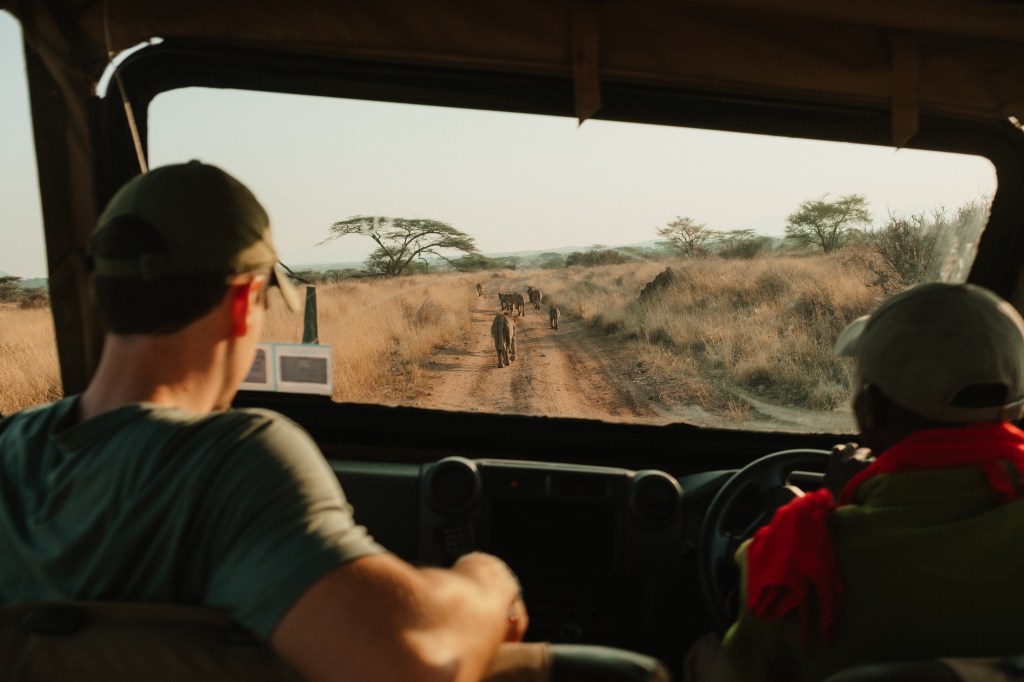
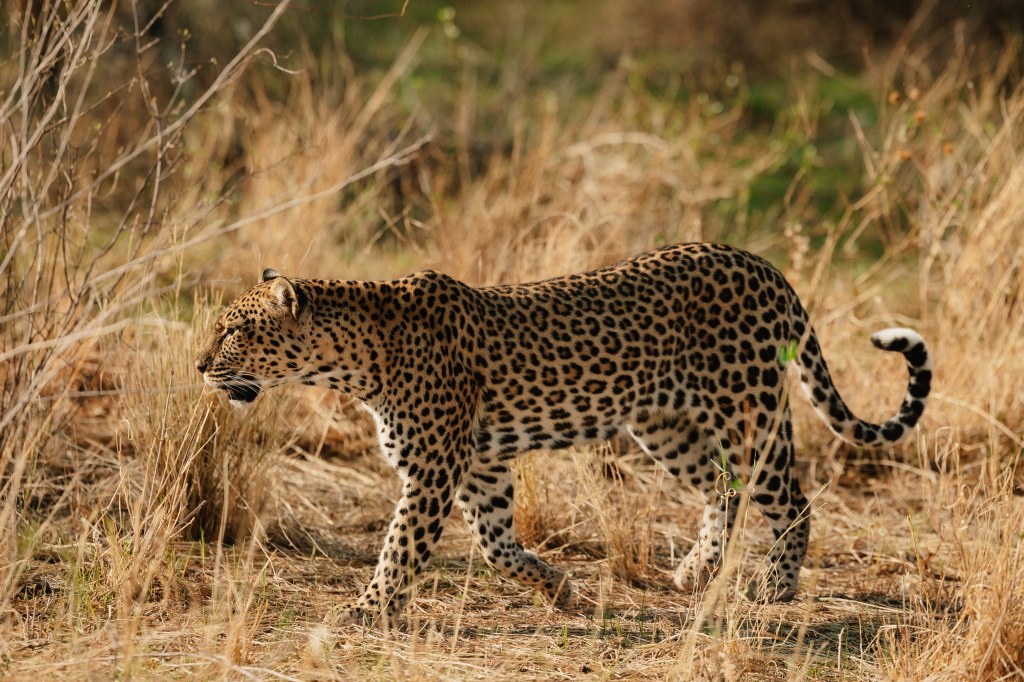
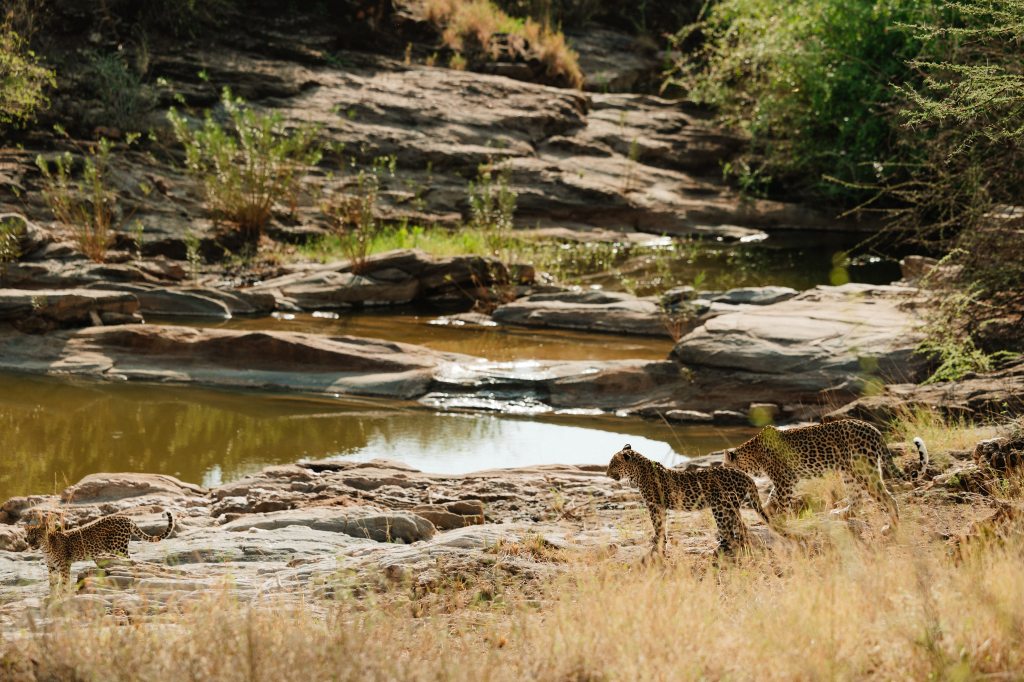
After the safari, we transferred south to Lewa Wildlife Conservancy, arriving in time to settle into camp and enjoy the changing scenery.
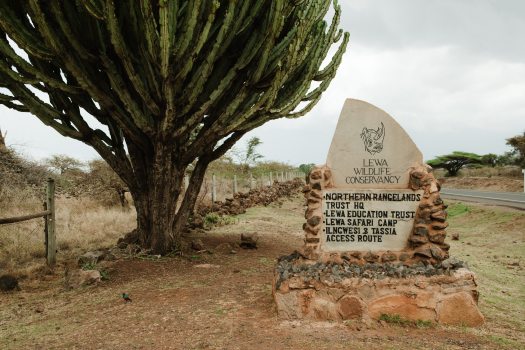
Day 7: Lewa Wildlife Conservancy Safari
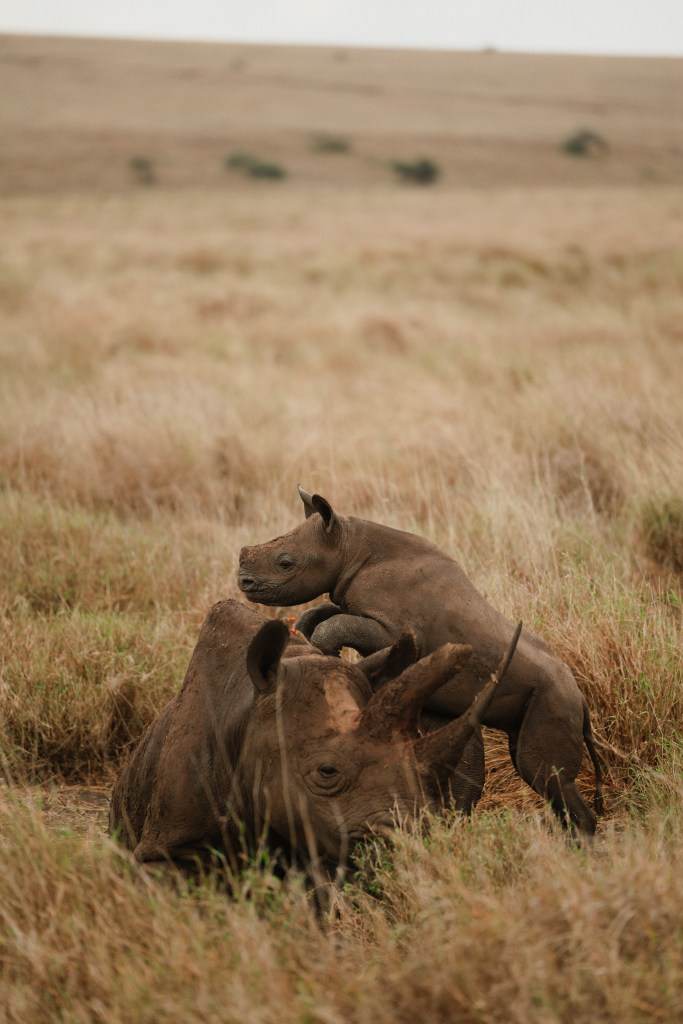
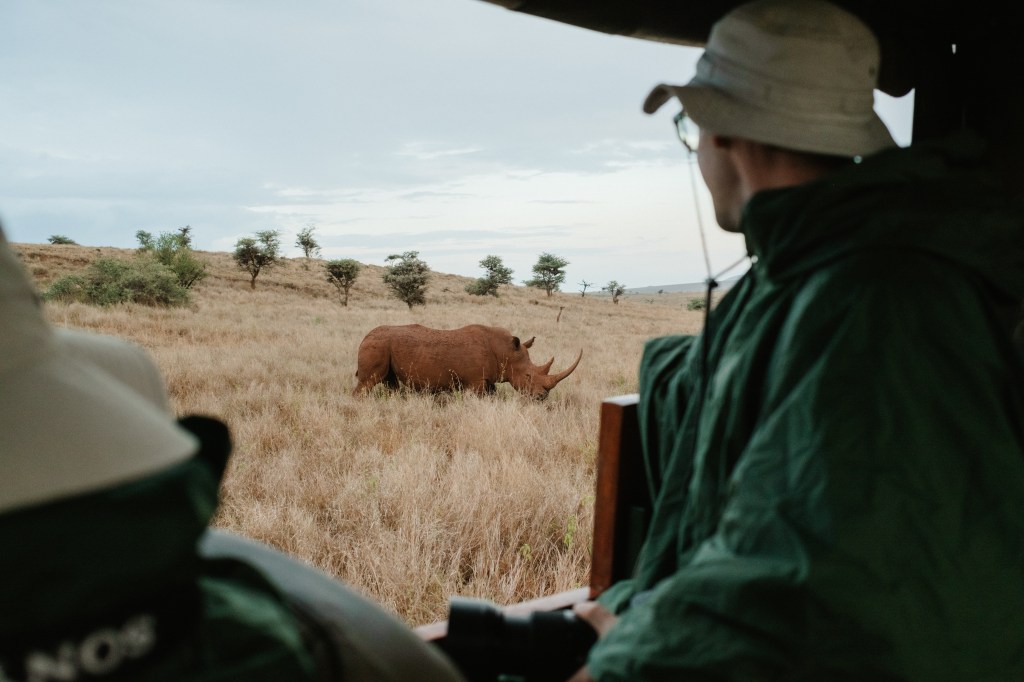
We spent the day exploring Lewa Wildlife Conservancy, a UNESCO World Heritage Site and one of Kenya’s leading conservation success stories. Lewa is particularly known for its black rhino population and long-standing commitment to wildlife protection, anti-poaching efforts, and community development.
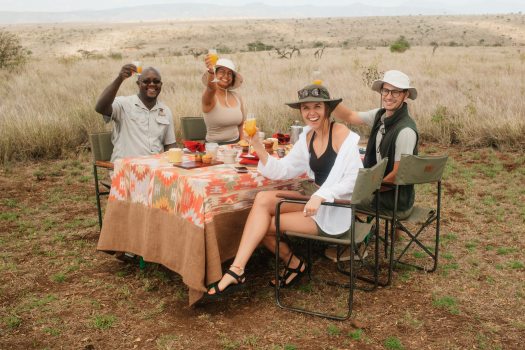
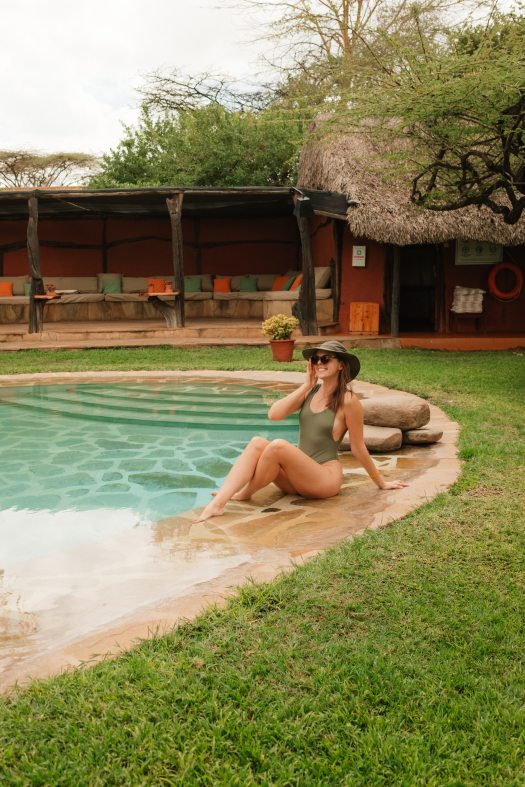
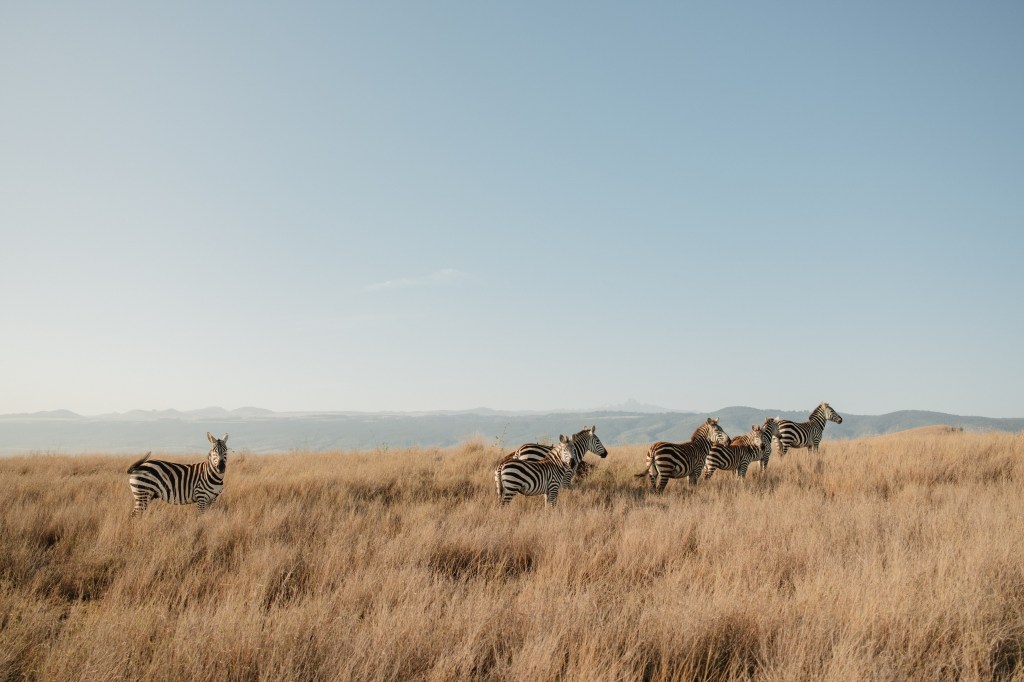
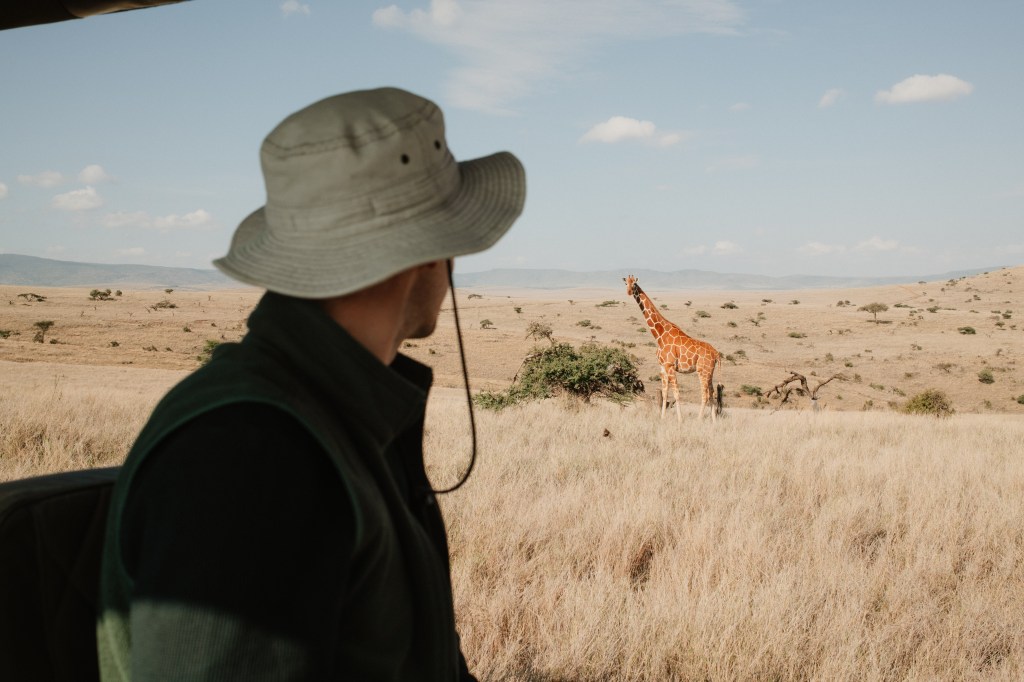
Game drives here often included black and white rhinos, elephants, lions, and a wide variety of plains game. Lewa’s conservation programs have become a model for protected areas across Africa.
The landscapes in Lewa are truly stunning!
Day 8: Transfer to Ol Pejeta Conservancy
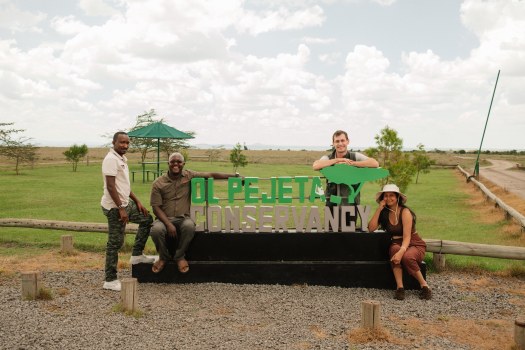
We continued south to Ol Pejeta Conservancy, one of the most wildlife-rich and conservation-driven areas in Kenya. Ol Pejeta combines excellent game viewing with impactful conservation initiatives.
We arrived in time to enjoy the surroundings and prepare for a full day of safari experiences.
Day 9: Safari Experiences at Ol Pejeta Conservancy
We spent the day on safari in Ol Pejeta, known for its high density of wildlife and diverse habitats. Highlights included visiting the Sweetwaters Chimpanzee Sanctuary, the only place in Kenya where rescued chimpanzees can be seen, and learning about their rehabilitation.
We also visited Najin and Fatu, the last two remaining northern white rhinos on Earth, and had the opportunity to see Baraka, the blind black rhino who has become a conservation ambassador.
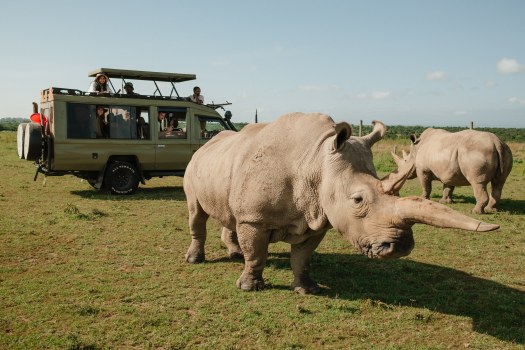
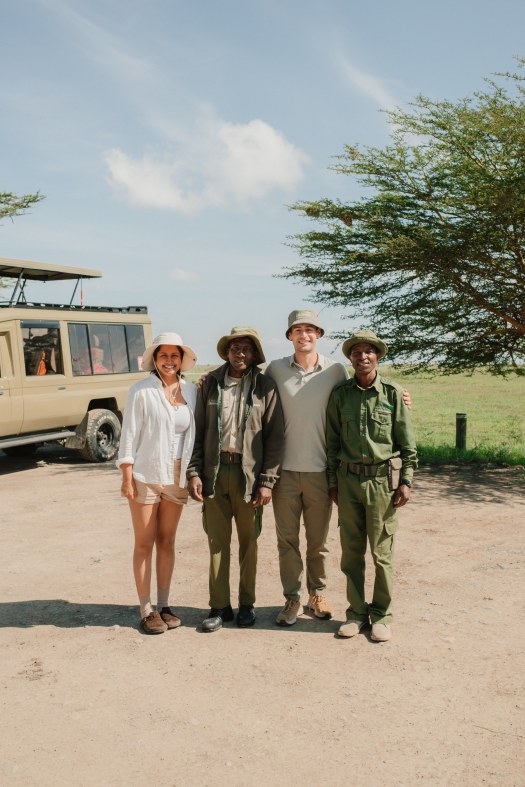
Ol Pejeta offered us one of the most educational and emotionally impactful wildlife experiences in Kenya.
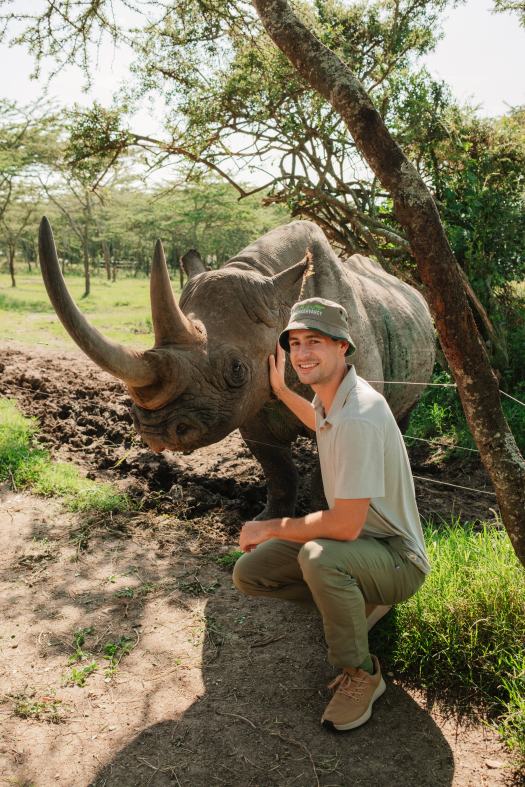
Day 10: Transfer Back to Nairobi
After breakfast, we transferred back to Nairobi by road for our onward journey.
This 10-day northern Kenya safari highlighted the very best of remote wilderness, conservation-led tourism, and cultural connection. I truly believe this kind of trip balances culture, wildlife, luxury, scenery, great food, and impactful experiences.
If you’d like to start planning a similar journey, click here to fill out my safari inquiry form. My team would love to arrange your dream safari experience.
 Jeff Hyer