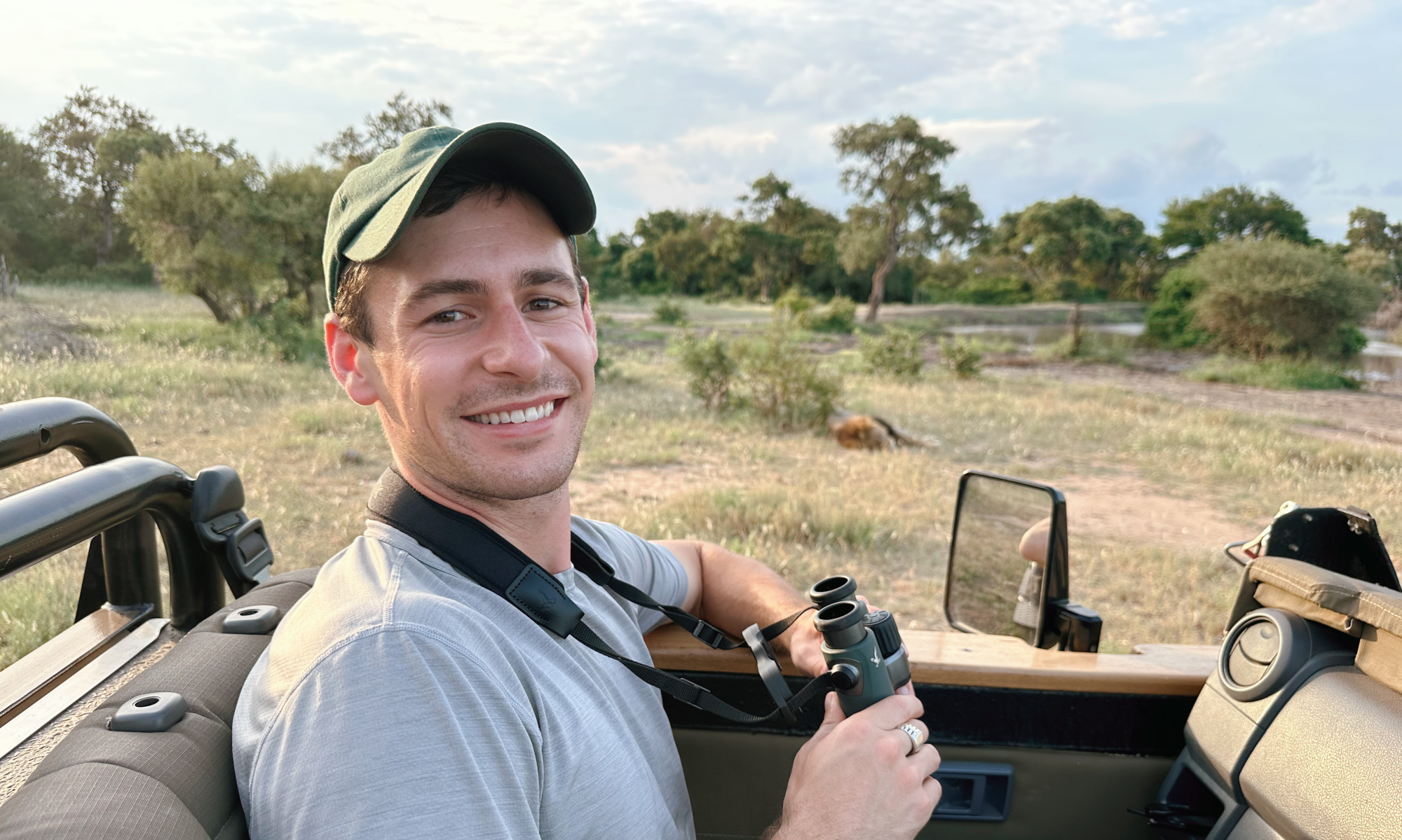
Below is a look at our latest journey through Tsavo, Amboseli, Naivasha, and the Maasai Mara
This trip through southern Kenya was one of our most immersive safaris to date. We designed it to showcase a wide range of accommodation styles, and we traveled at a slower pace than most itineraries to really savor each region.
This post breaks down our trip day by day, sharing where we stayed, how we moved between destinations, and what stood out along the way. A video version of this journey is featured here and offers a full recap of this itinerary.
We traveled in November, which is considered a slower season in Kenya. Vehicle density was low, mornings were often clear, weather was pleasant, and bugs were surprisingly minimal. It ended up being a very underrated time to travel.
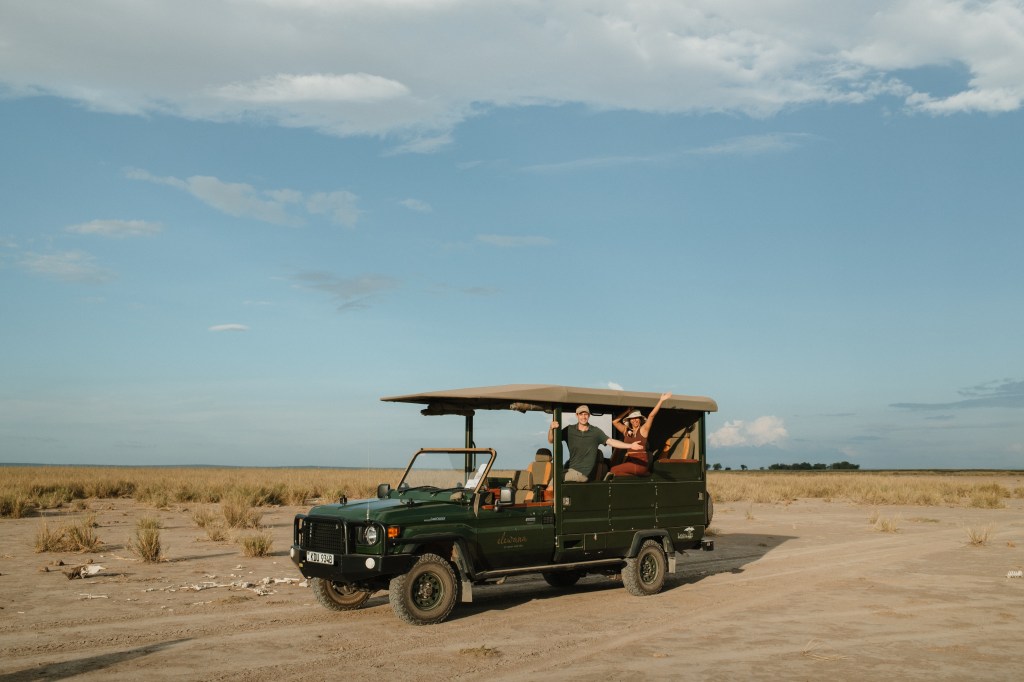
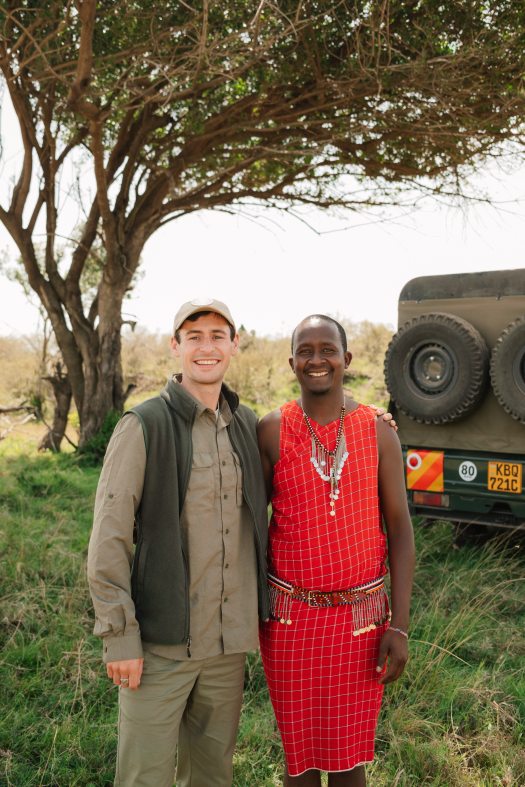
Joining me on this trip was our photographer, Aleks, who captured many of the photos shared in this blog post! Also with us was Shelley, our team’s safari assistant. My colleague Paul, our on-ground safari specialist, joined us periodically too! While en route, we experienced a variety of guides at the different camps, and Simon was our primary driver that drove us between the parks. We had a fully stacked safari squad from start to finish!
If you want to explore itinerary options for YOUR safari in Kenya, reach out! In collaboration with my preferred local operators, we can arrange a full encompassing trip for you and your group. Inquire by filling out the safari inquiry form linked here.
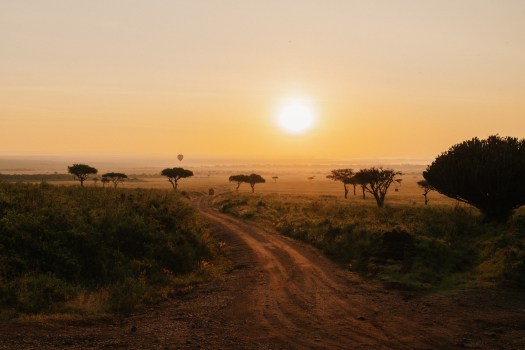
Day 1-2: Tsavo West National Park
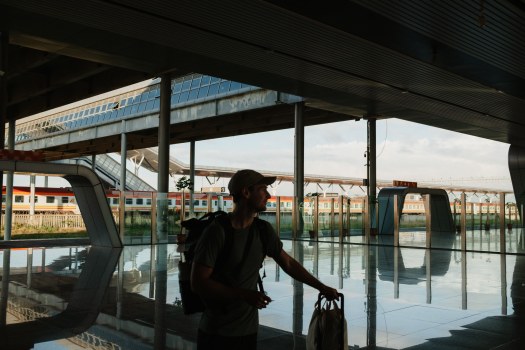
We began our journey in Nairobi, departing from the Tamarind Tree Hotel and heading to the train station for our first transfer. This was our first time taking the train in Kenya, and the experience was far smoother than we expected. With first-class tickets and support from our local partners, check-in and boarding were seamless.
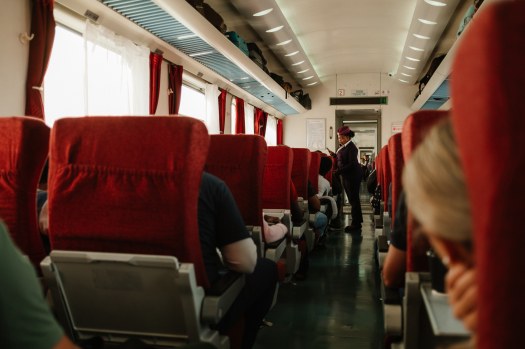
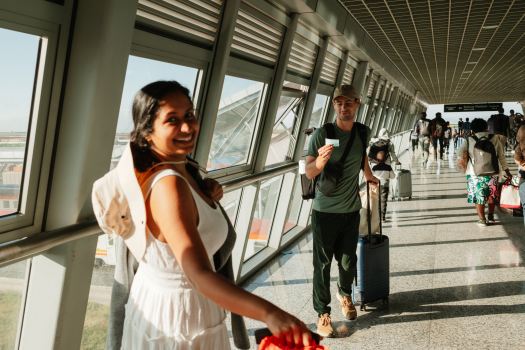
The train dropped us just outside Tsavo West National Park, where our driver for the trip, Simon, was waiting. Within minutes of arriving, we were already on a game drive, which made this one of the easiest transfers of the entire journey.
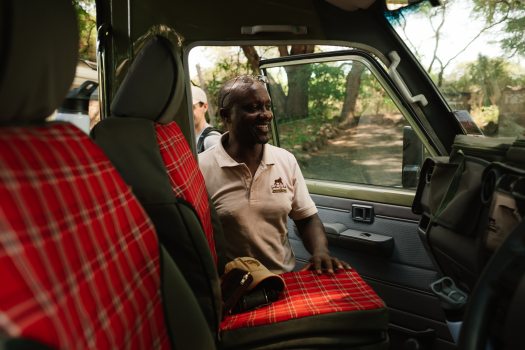
Severin Safari Camp
We spent two nights at Severin Safari Camp, a classic open-air camp that felt peaceful and grounded in its surroundings. Tsavo is unlike any other park in Kenya. The landscapes are vast, the soil is red, and the volcanic formations give the area a raw, ancient feel. It truly feels like Africa in its most original form.

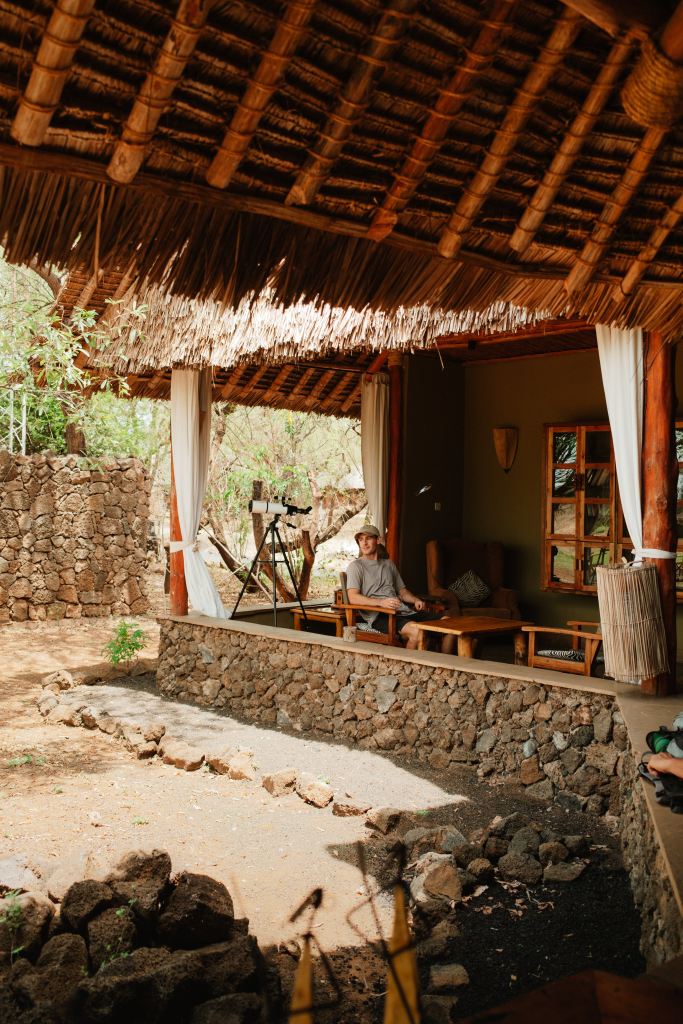
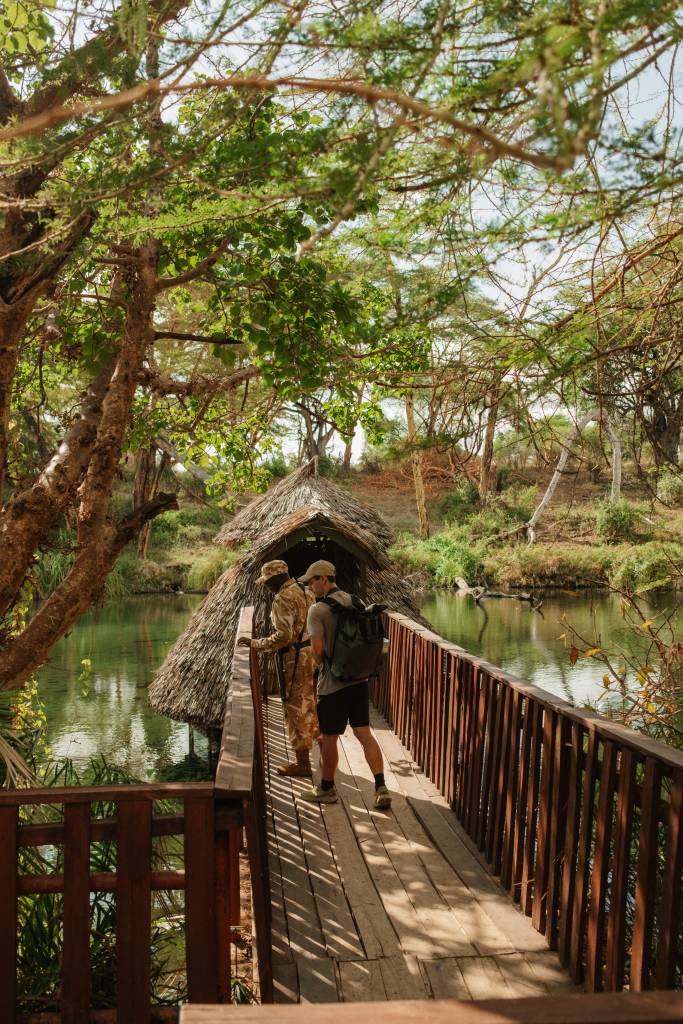
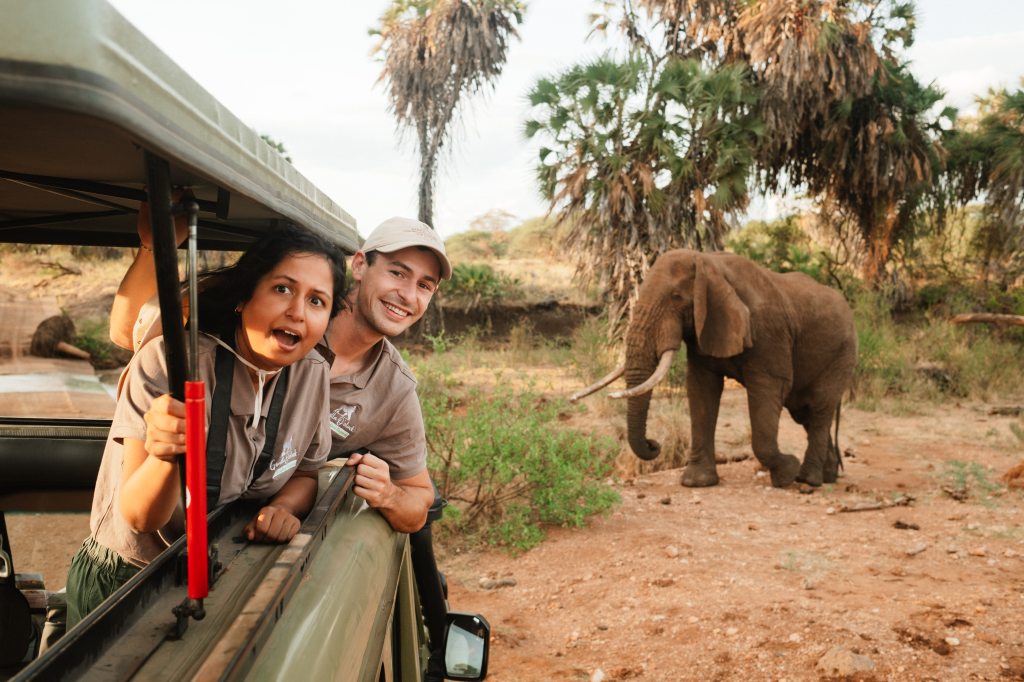
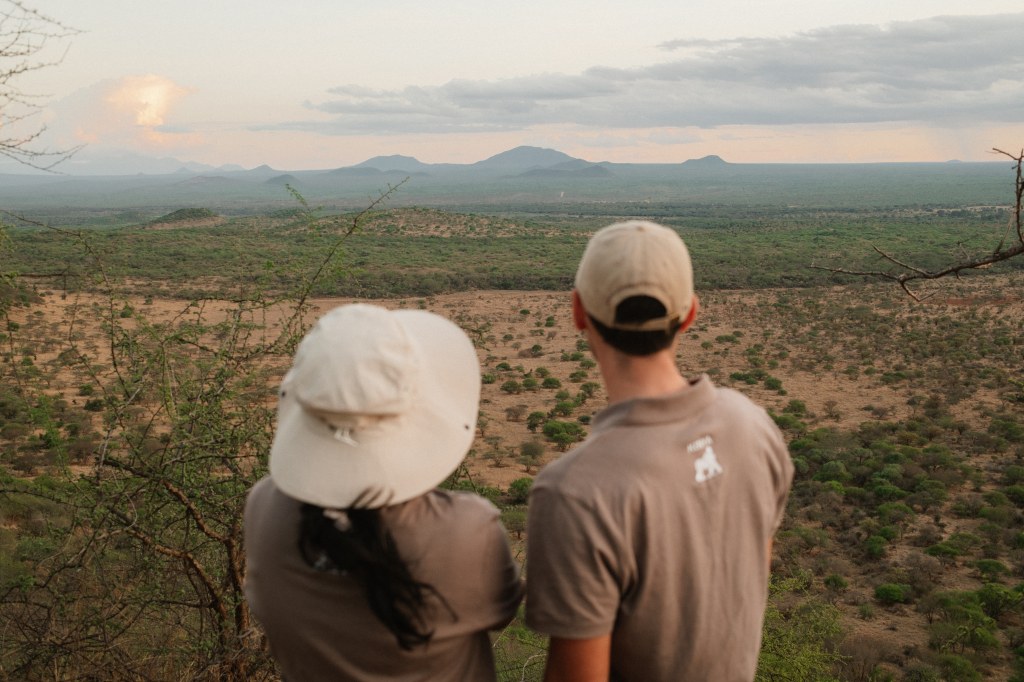
During our full day in Tsavo West, we visited Mzima Springs, a natural freshwater oasis fed by underground streams. The crystal-clear pools are home to hippos and fish, and there is an underwater viewing chamber that allows you to see wildlife from below the surface.
We also stopped at the Shetani Lava Flow, a massive black lava field created by a volcanic eruption several hundred years ago. It stretches across the park and gives the landscape a dramatic, almost otherworldly appearance.
Day 3 and Day 4: Amboseli National Park
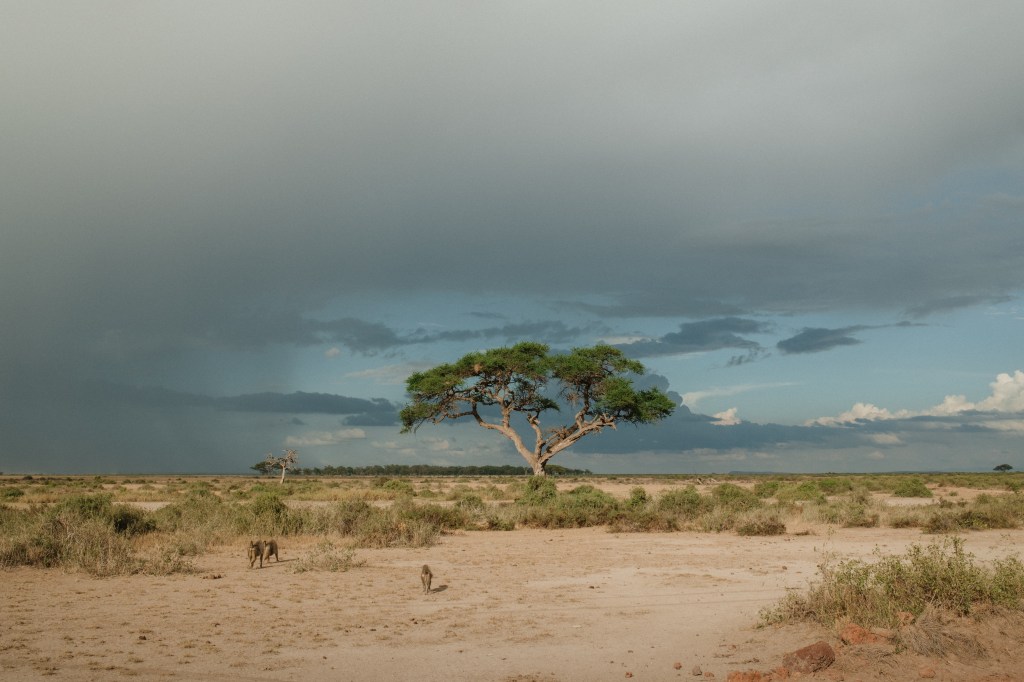
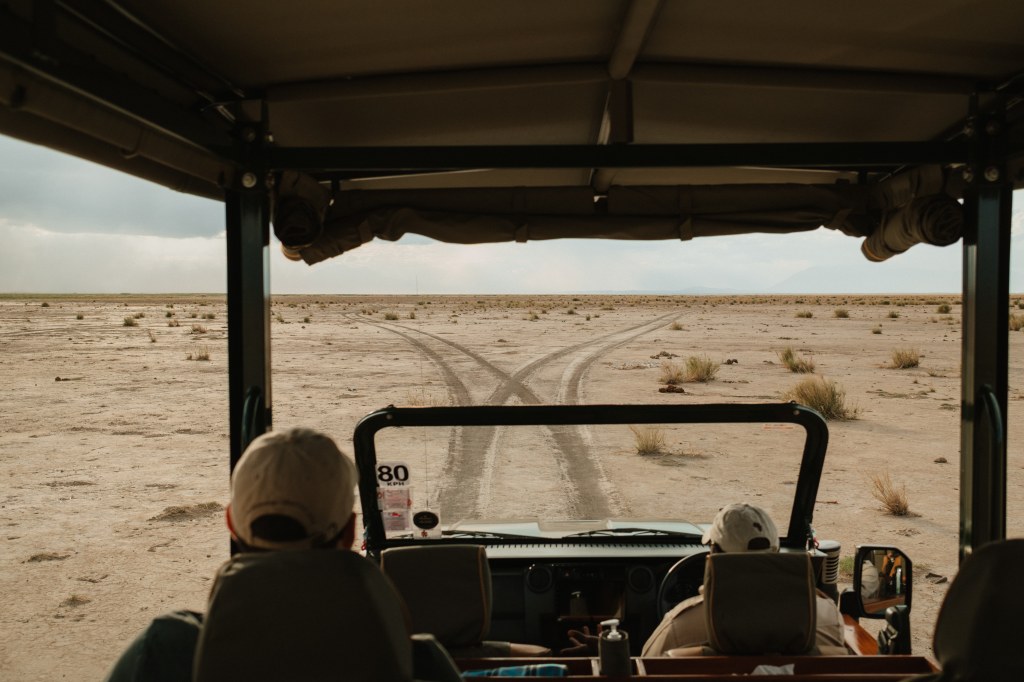
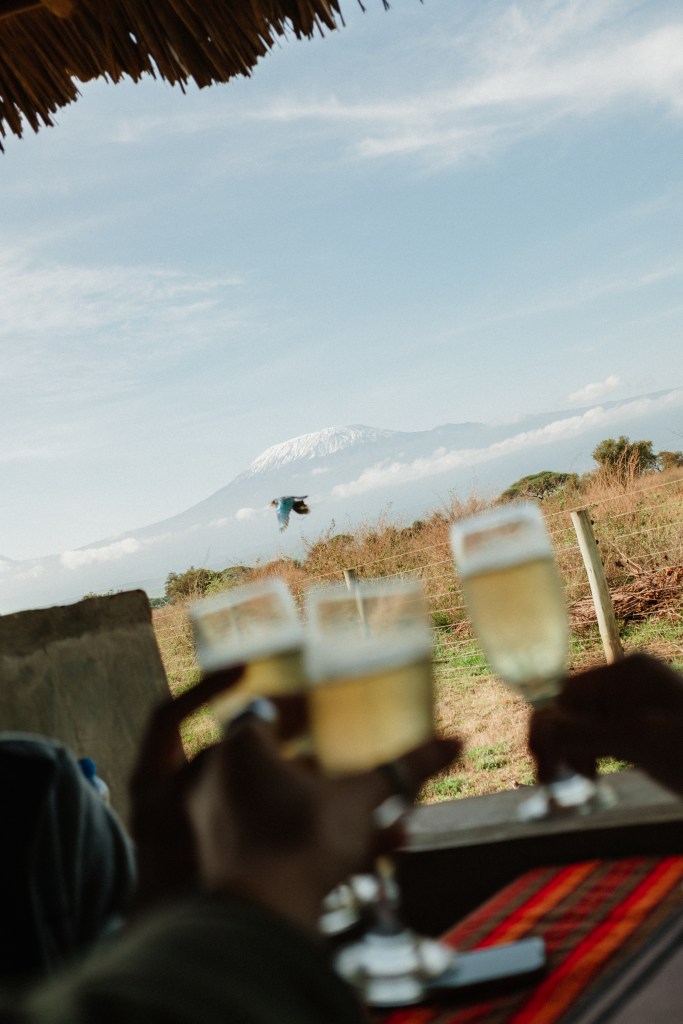
After Tsavo, we drove to Amboseli National Park, one of Kenya’s most iconic safari destinations. Amboseli is known for its large elephant herds and its sweeping views of Mount Kilimanjaro.
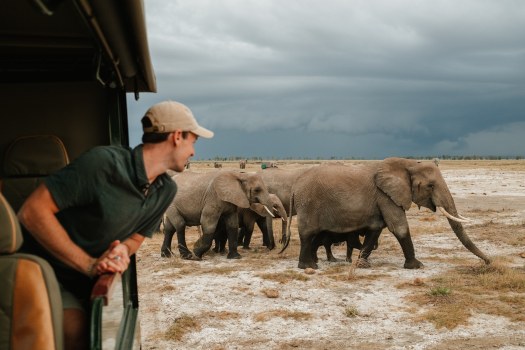
Elewana Tortilis Camp
We stayed at Elewana Tortilis Camp, located on the private side of the ecosystem. This meant fewer vehicles, a quieter atmosphere, excellent food, and beautifully designed rooms that felt both comfortable and thoughtfully placed in the landscape.
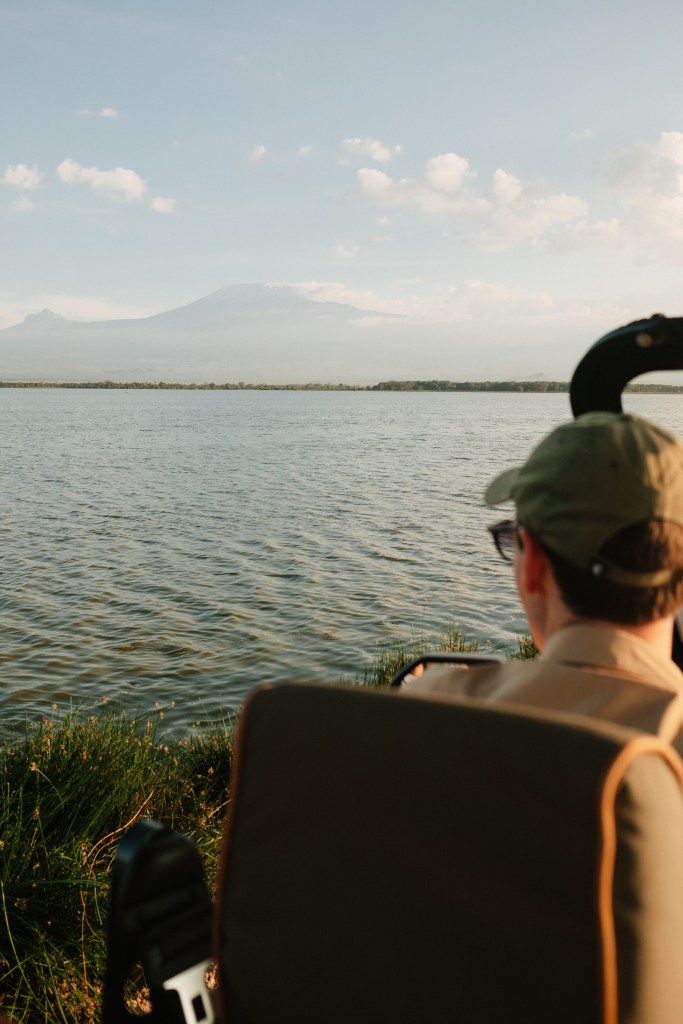
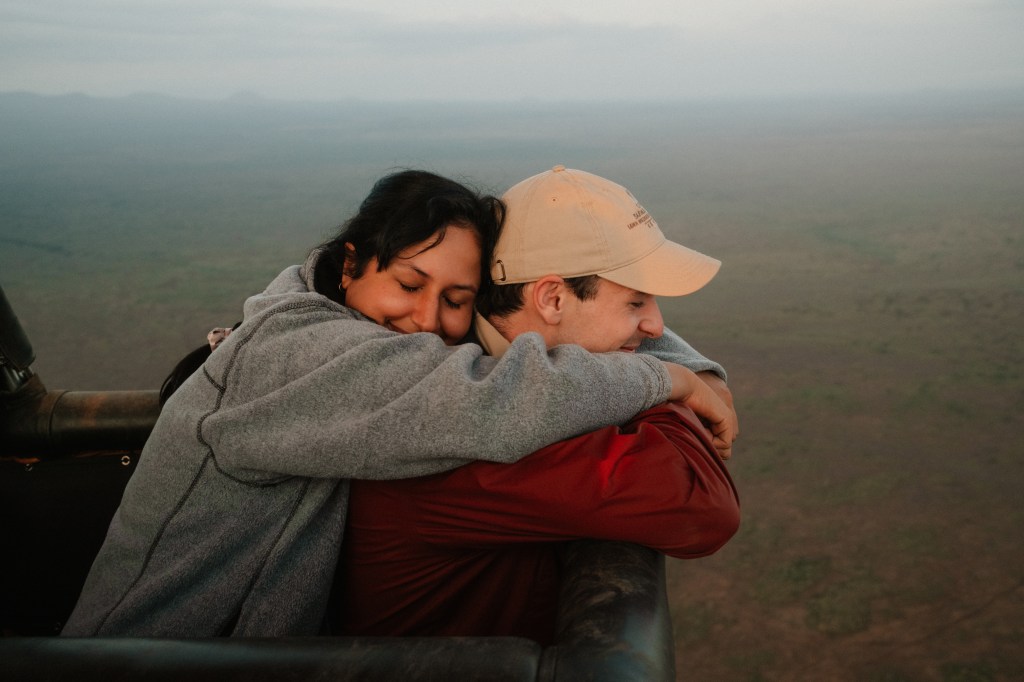
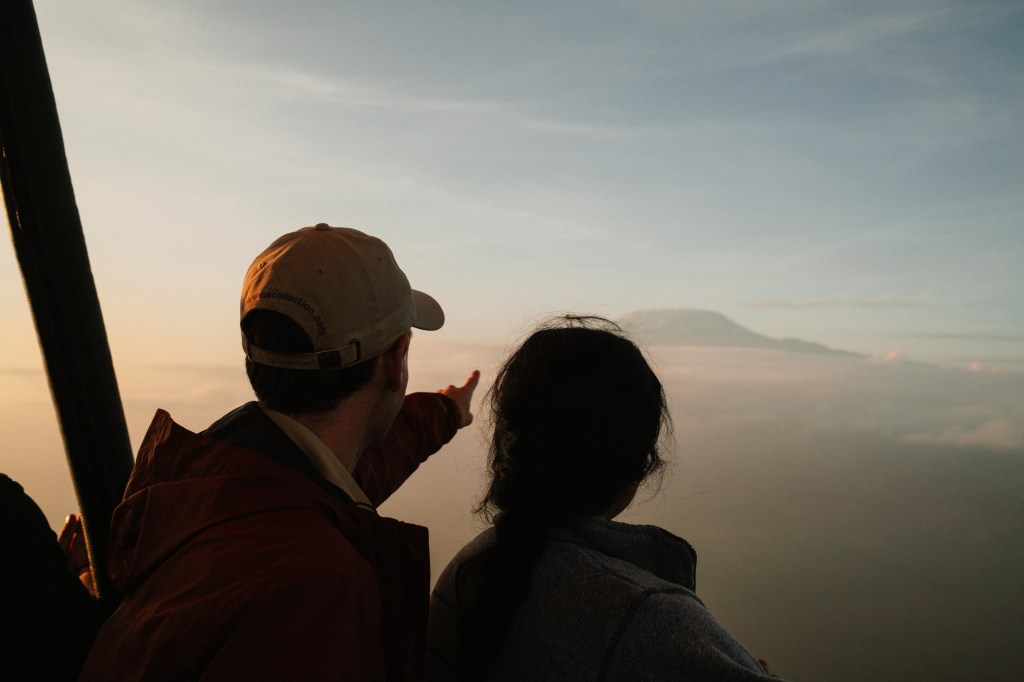
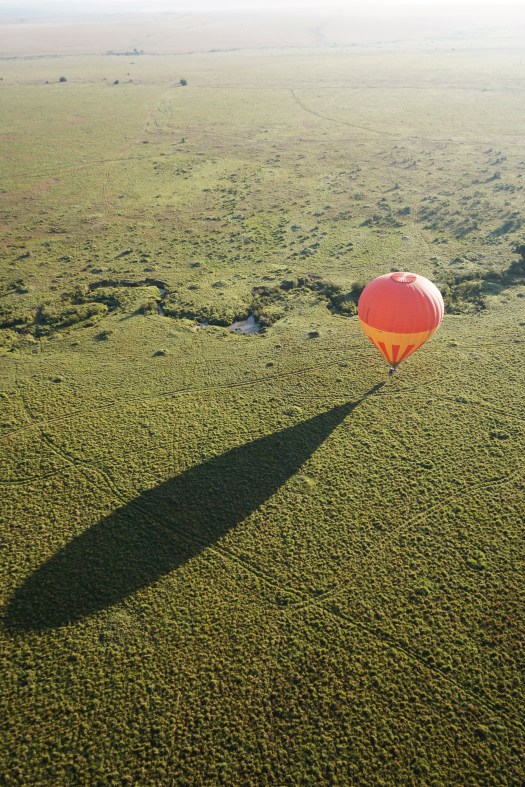
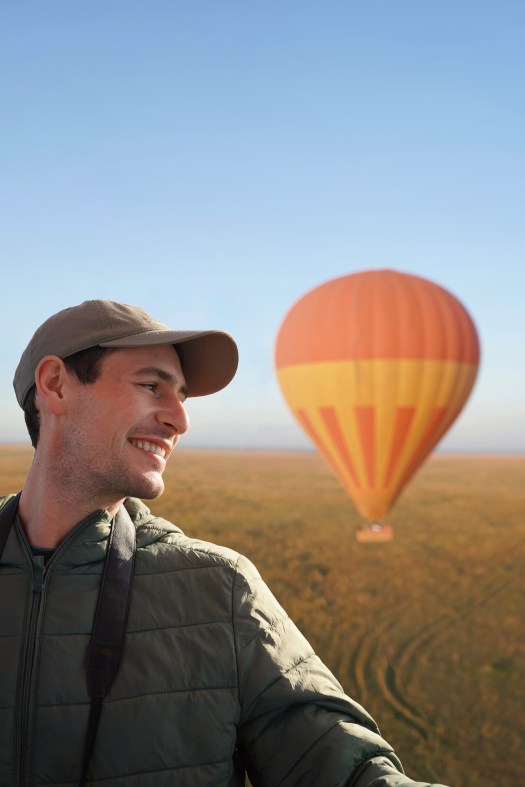
One of the biggest highlights of our time here was a hot air balloon ride. There is only one licensed balloon operator in Amboseli, and this was our first time experiencing it. We woke up very early, but floating silently over the plains as the sun lit up Mount Kilimanjaro made every minute worthwhile.
Day 5: Lake Naivasha
Sopa Resort and Crescent Island
On Day 5, we made a long but scenic drive north to Lake Naivasha and checked into the Sopa Resort, which sits directly along the lake. The grounds were lush and green, and wildlife moved freely throughout the property.
From here, we did the classic Lake Naivasha boat ride, which offered close-up views of hippos and abundant birdlife in a calm, peaceful setting.
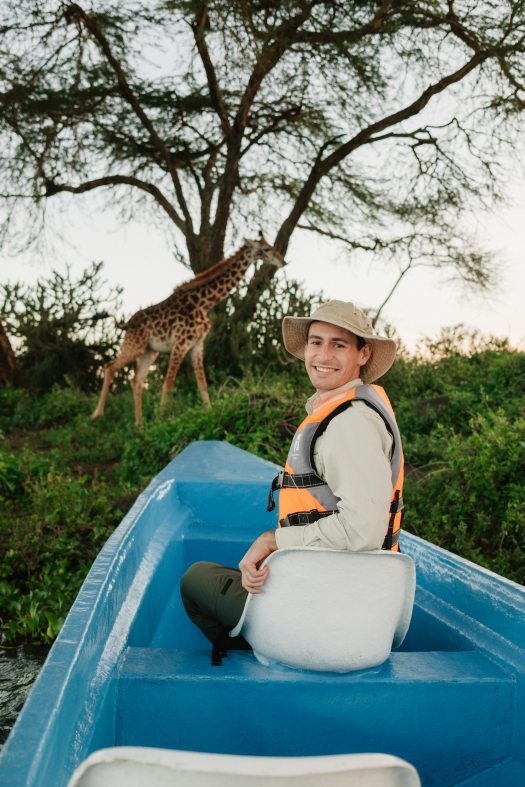
One of our favorite experiences of the trip was visiting Crescent Island. This private wildlife sanctuary is reached by boat and is one of the few places in Kenya where you can walk safely among giraffes, zebras, and antelopes. We went in the late afternoon, and the golden light, quiet atmosphere, and open landscapes made the experience feel incredibly special.
Day 6-8: Mara North Conservancy
The next morning, we traveled to the Mara North Conservancy, one of our favorite regions in Kenya. Unlike the national reserve, Mara North is privately managed, has lower vehicle density, and follows a strong conservation model. It is a place we regularly recommend for guests who want a more exclusive safari experience.
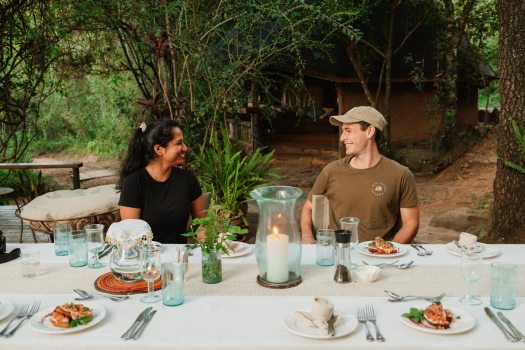
Serian The Original
We stayed at Serian The Original, one of several Serian camps located along the Mara River. Each camp has its own personality. We also visited Kimya Kimya, which works well for larger groups, and Ngare, which is accessed by crossing a rope bridge and feels especially secluded.
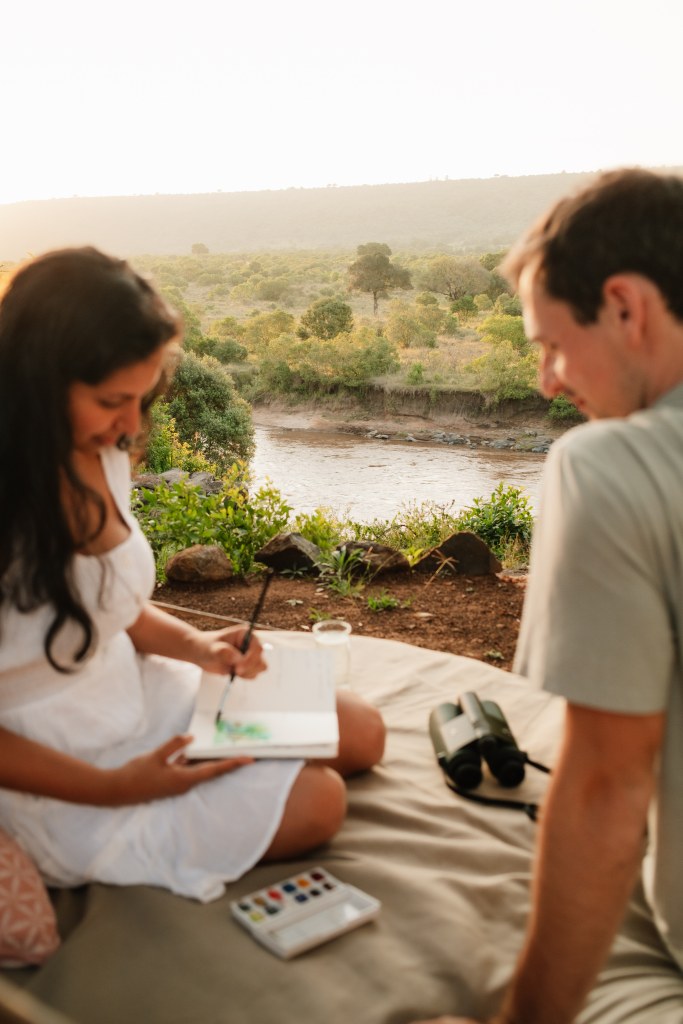
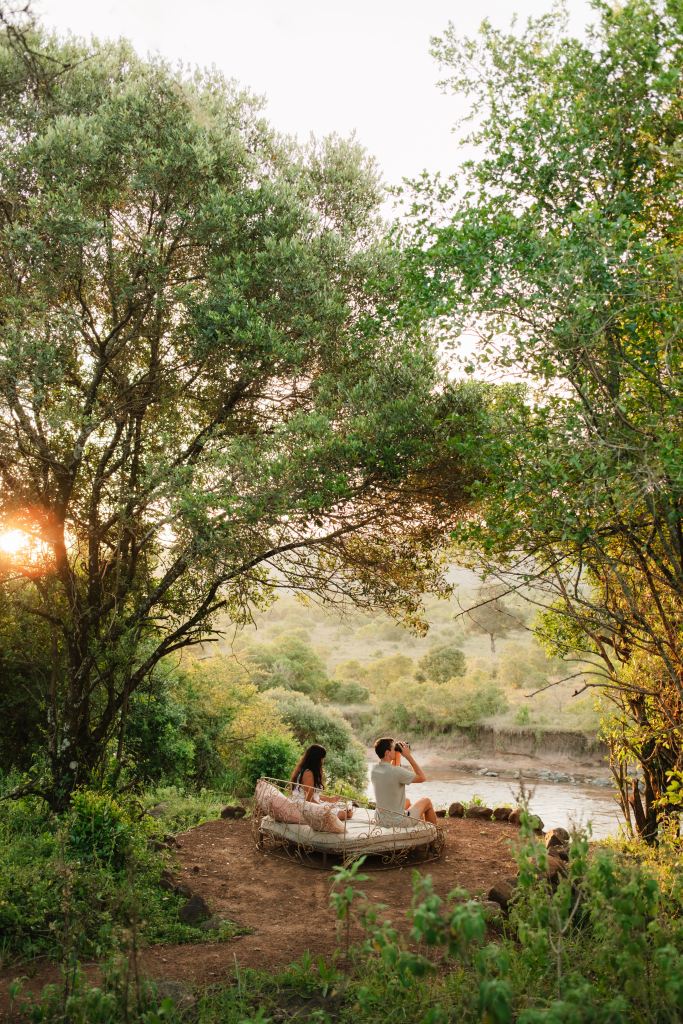

Serian The Original stood out for how warm and welcoming it felt. It was one of those places where we immediately felt at home.
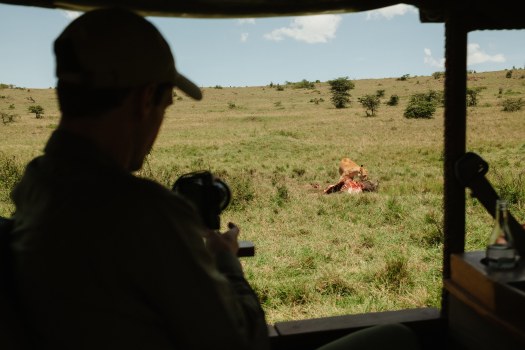
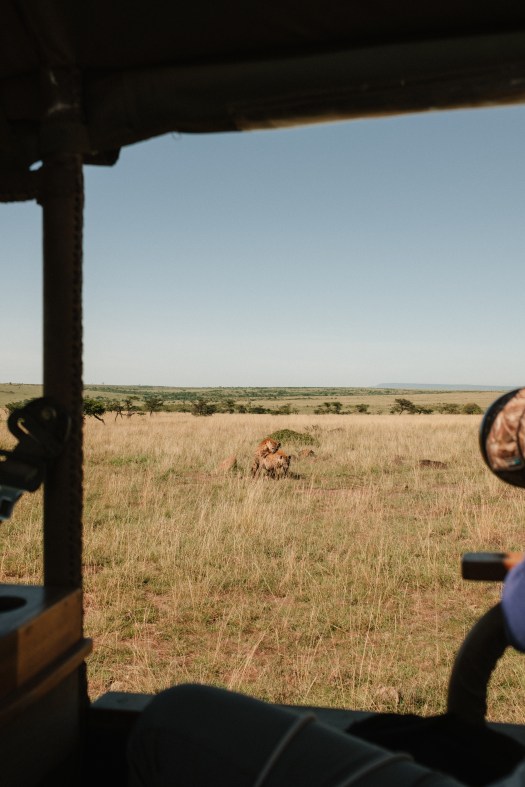
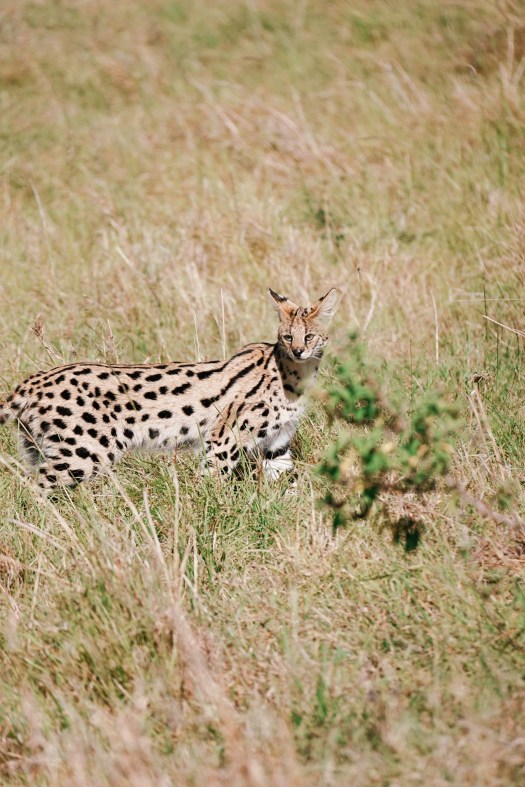
Over three nights, we had some of our best wildlife sightings of the entire trip, including leopards, lions, and expansive open landscapes that Mara North is known for.
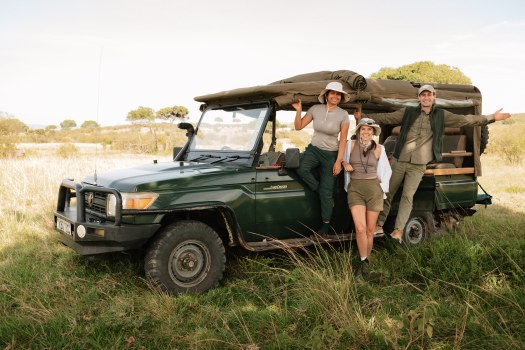
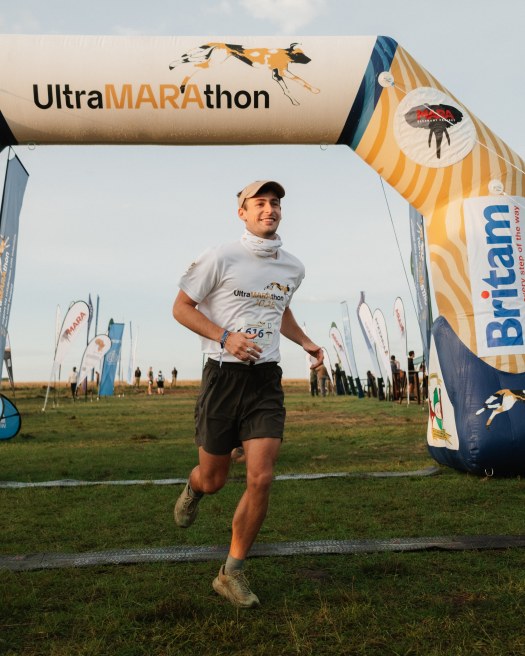
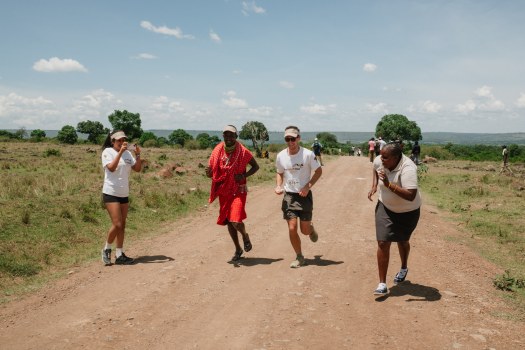
While here, we also took part in the ultraMARAthon, an annual 50K fundraising race that supports conservation, healthcare, education, and tourism initiatives in the region. We ran as a relay team, each covering a section of the course. It was physically demanding, but the community support, ranger presence, and overall sense of purpose made it one of the most meaningful days of the trip.
Day 9-10: Mara Triangle
From Mara North, we moved closer to the Mara Triangle and checked into Sanctuary Olonana. This was one of the most upscale stays of the trip and a noticeable shift in style.
Sanctuary Olonana
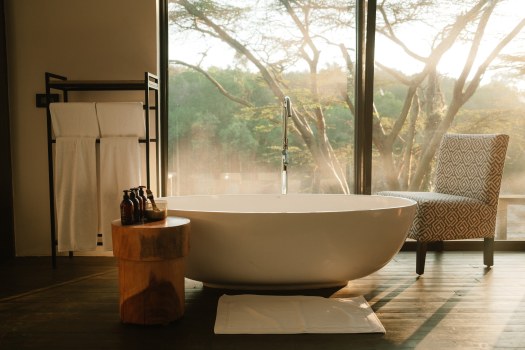
Olonana feels more like contemporary riverfront villas than a traditional tented camp. The design is modern, the service is polished, and the setting along the river is beautiful.
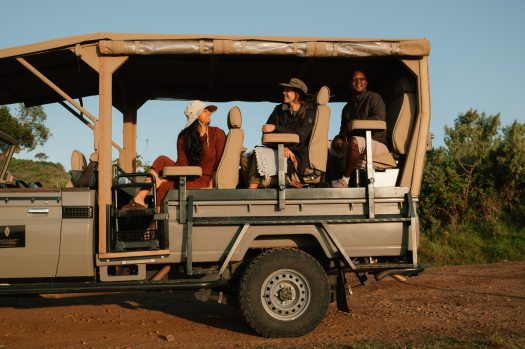
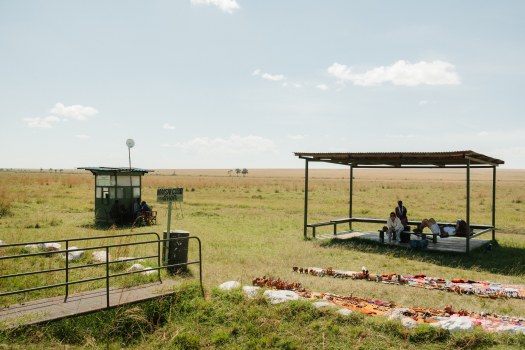
This is also where we said goodbye to our photographer, Aleks. We dropped her at the Musiara Airstrip, where safari vehicles pull directly up to the plane, a moment that perfectly captures how unique safari logistics can be.
Day 11-12: Southern Maasai Mara
Elewana Sand River Camp
After two nights near Triangle, we headed south to Elewana Sand River Camp. This camp felt elegant and classic, tucked along the Sand River and noticeably more remote than some of the busier areas of the Mara.
We also did a second hot air balloon ride here,. The Mara has multiple balloon operators, and the experience was very different from Amboseli. Seeing the sheer number of animals from above was incredible, and it offered a completely new perspective on the ecosystem.
Day 13-14: Maasai Mara National Reserve
Little Zebra Camp
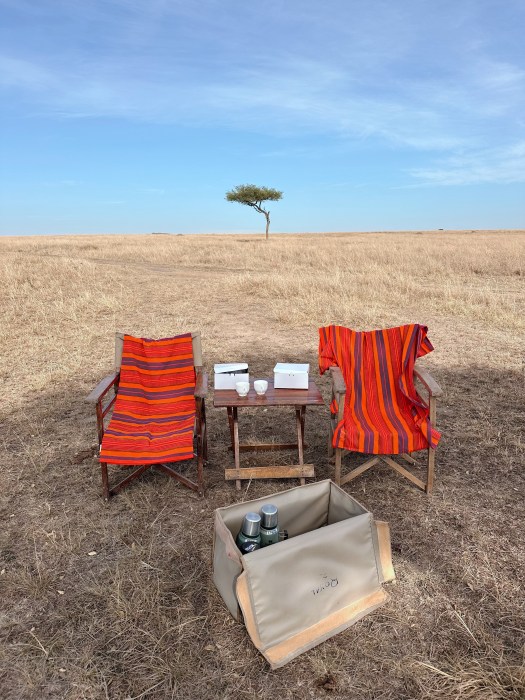
For our final safari base, we moved closer to the main Maasai Mara gate and stayed at Little Zebra River Camp. This camp is part of a collection known for offering excellent value, and it exceeded our expectations.
Our room was airy, comfortable, and well designed for the climate. The camp’s location made it easy to access game-rich areas, and we had several excellent big cat sightings during our drives.
It was a relaxed, comfortable place to slow down after such a full itinerary.
Day 15: Return to Nairobi
Karen Gables
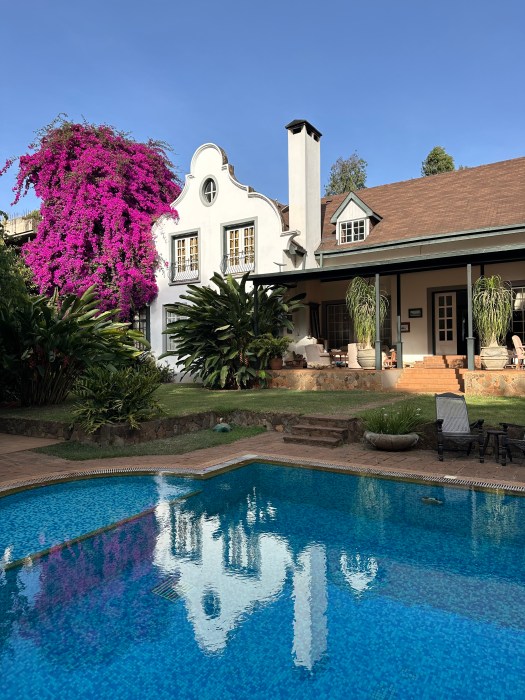
On our final day, we drove back to Nairobi and checked into Karen Gables, a boutique luxury lodge in a quiet residential area of the city. This is where we filmed the video that accompanies this post.
Karen Gables felt like a private home, calm, elegant, and a perfect place to decompress before flying home.
Final Thoughts
This 15-day southern Kenya safari covered Tsavo West, Amboseli, Lake Naivasha, and four distinct regions of the Maasai Mara. It was a longer and more in-depth journey than most travelers choose, but it allowed us to experience a wide range of landscapes, wildlife densities, and safari styles.
While some of the camps we stayed at fall into the luxury category, there are excellent mid-range alternatives in every one of these regions. When designing safaris, the key is matching the right locations and camps to your travel style, budget, and goals.
If you’re considering a safari in Kenya and want a custom-tailored safari itinerary to this destination, reach out! We’d love to design you a trip that’s perfectly curated to you. Send me an inquiry by filling out the inquiry form linked here.
 Jeff Hyer